


In 2026, understanding global technology leadership is essential. This article asks, what are the most technologically advanced countries, and explores nations leading innovation and development. Technology strength includes more than consumer electronics or a large tech sector.
We compare the most technologically advanced countries 2026 across artificial intelligence, semiconductor production, and research capacity. We also assess digital infrastructure, cybersecurity, robotics, clean technology, and vibrant startup ecosystems. These areas help determine a country’s position on the global stage.
Rankings vary because each method measures different strengths. A country may lead one area while trailing another. Global technology leaders include China, South Korea, Japan, Singapore, the United States, Germany, the United Kingdom, Switzerland, Israel, and emerging hubs. The United States remains a key reference point because of Silicon Valley’s influence. It advances AI, cloud computing, biotechnology, and venture capital.
Key Takeaways
- Technological leadership is assessed through various innovative sectors.
- Rankings can differ based on evaluation methods.
- Countries excel in different technological areas.
- The U.S. remains a significant player in technology advancements.
- Emerging hubs are gaining prominence in the global tech landscape.
Defining Technological Leadership in 2026
In 2026, technological leadership will unite technology innovation with effective implementation. It will go beyond having many patents or a strong technology sector. It will turn research into useful products, services, and public systems with clear social and economic results.
Key components of this definition include:
- Artificial Intelligence – Revolutionizing industries and enhancing decision-making processes.
- Quantum Computing – Paving the way for unprecedented computational power.
- Semiconductors – Driving the backbone of all advanced technologies.
- Biotechnology – Transforming healthcare and agriculture.
- Robotics – Increasing efficiency in manufacturing and service sectors.
- 5G and 6G Connectivity – Enabling faster and more reliable communication.
- Cloud Infrastructure – Supporting scalable and flexible technology solutions.
- Renewable Energy Systems – Addressing sustainability challenges.
- Cybersecurity – Protecting data integrity and privacy.
We must distinguish between technology creation and technology adoption. Some countries invent new technologies, while others deploy them well in government, education, healthcare, finance, and manufacturing.
National policies, digital skills, digital transformation, public-private partnerships, and access to capital shape long-term global tech competitiveness. As we look toward 2026, these factors will help define which nations become advanced technology countries.
Key Metrics for Measuring Tech Advancement
In 2026, technology advancement rankings depend on several vital indicators. A strong assessment uses both quantitative and qualitative measures. These measures can support an innovation index and include research and development.
- Research and Development: Analyze spending on R&D, the quality of university and corporate research, and patent activity.
- Digital Infrastructure: Metrics such as broadband access, 5G coverage, and cloud adoption are essential for a robust tech ecosystem.
- Semiconductor Industry: The resilience of supply chains and manufacturing capabilities will play a crucial role in global tech leadership.
- AI Readiness: This includes evaluating computing capacity, data availability, and the presence of technical talent.
- Startup Formation: The availability of venture capital and the rate of new startups contribute significantly to innovation.
Productivity, cybersecurity resilience, and clean-energy deployment also show technology progress. Digital inclusion matters, especially for underserved communities. A balanced review should combine these measures with regulatory stability, education quality, the semiconductor industry, and AI readiness.
Related Posts:
- What Are the Applications of Information Technology?…

- How to Stop Using Technology A Guide to Digital Detox

- Should Technology Be Limited The Debate on Digital…

- What Is High Throughput Technology? Definition, Uses…
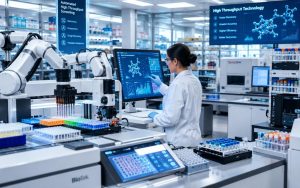
- The Latest Technology Trends Shaping Our Future

- How Technology Can Help Fight Climate Change Green…
Asia-Pacific: The Epicenter of Tech Innovation
The Asia-Pacific region is a technology innovation hub with large markets, strong factories, and major public investment. It plays a key role in global technology and reflects the strengths of Asian technology leaders. Together, these countries show several paths to Asia-Pacific technology progress.
China
China has become a major technology power through advances in artificial intelligence, including Chinese AI, telecommunications, and e-commerce. Companies such as Huawei, Tencent, and Alibaba lead this change and strengthen China technology. Government support for China semiconductor development is moving the country toward self-sufficiency in key technology sectors.
China’s large domestic market helps digital platforms and consumer technologies grow quickly. Investments in electric vehicles, drones, and Chinese robotics support its goals for 5G leadership and advanced manufacturing. Geopolitical tensions and demographic pressures, however, could slow its growth.
South Korea
South Korea is known for memory semiconductors and consumer electronics manufacturing. Companies such as Samsung and SK hynix show the country’s strength in Korean semiconductors and advanced manufacturing. Strong schools and widespread broadband help people adopt new technology quickly.
South Korea’s focus on robotics in South Korea and artificial intelligence supports smart factories and electric vehicles, showing its automation innovation. It faces export reliance and nearby competition but remains a leader in Samsung innovation and technology execution.
Japan
Japan remains a leader in precision work, Japanese engineering, and Japanese robotics. It excels in automotive innovation and materials science, with Toyota and Sony leading the field. Japan technology also benefits from sensors and machine tools that support high-quality manufacturing.
Labor shortages have pushed Japan toward robotics in manufacturing and healthcare. Autonomous vehicles and quantum research are gaining attention, adding to its technology research. An aging population and slower startup formation than other nations remain challenges.
Singapore
Singapore is a vital Singapore technology hub and business center in the Asia-Pacific region. Its location and efficient infrastructure attract multinational companies and startups. It excels in smart city technology, fintech Singapore, and digital government initiatives.
Singapore’s pro-business setting supports cybersecurity and logistics, making it a gateway for Southeast Asia innovation. Though its domestic market is small, the country remains a trusted technology investment location. It manages limited land and energy needs while maintaining its regional role.
For more insight into technology advances in Asia, explore this detailed report.
North America: Silicon Valley and Beyond
North American technology plays a major role in the global technology landscape, led by the United States. Its strong ecosystem draws on elite universities, venture capital, and a powerful consumer economy. Silicon Valley innovation leads the region, while Seattle, Austin, Boston, and New York grow as major innovation hubs.
United States technology shows strength in artificial intelligence, cloud computing, and biotechnology. Global technology companies such as Microsoft, Alphabet, and Amazon strengthen its role in tech investment and innovation.
The United States
In 2026, the United States should remain a strong candidate for global technology leadership. Its strengths include American AI leadership, advanced cloud computing, and semiconductor production. Universities and national laboratories work together, strengthening research and development.
Ongoing efforts to expand domestic semiconductor production and critical infrastructure show a commitment to competition. U.S. semiconductor investment matters as supply chains change and demand for advanced technology grows.
Challenges remain, including regulatory uncertainty, unequal broadband access, and workforce shortages. Data privacy debates and AI’s social effects make the landscape more complex. Still, frontier research, an entrepreneurial culture, and deep capital markets help maintain United States leadership in global technology.
| Technology Sector | Key Companies | Investment Focus |
|---|---|---|
| Artificial Intelligence | OpenAI, Nvidia | Machine Learning, Deep Learning |
| Cloud Computing | Amazon, Microsoft | Infrastructure, Services |
| Biotechnology | Amgen, Gilead | Research, Development |
| Aerospace | SpaceX, Boeing | Space Exploration, Defense |
Europe: Engineering Excellence and Innovation
Europe stands as a beacon of engineering innovation and technological advancement. Its scientific institutions, industrial firms, and engineering traditions create a diverse European technology ecosystem. Each country adds unique strengths, from industrial automation and green technology to European research and digital regulation.
Germany
Germany leads industrial technology, with strengths in automotive engineering, mechanical systems, and chemicals. Industry 4.0 connects machines, sensors, and data platforms to improve production efficiency. Siemens, Bosch, and Volkswagen lead this change through Germany technology and German engineering.
Germany’s shift toward electric vehicles and sustainable energy solutions is significant. Its focus on renewable energy and smart manufacturing supports a greener future. High energy costs and worker shortages remain challenges, but Germany integrates digital systems with physical production effectively.
The United Kingdom
The United Kingdom is a vibrant hub for artificial intelligence, fintech, and biotechnology. London serves as a global financial center and a hub for London fintech. Cambridge and Oxford foster British AI research, UK biotechnology, and technology startups, while DeepMind and Revolut show the UK’s strong talent pool.
The UK is developing strengths in AI safety and climate technology. However, limited late-stage funding and talent competition create challenges. Strong research institutions and international business connections keep United Kingdom technology influential worldwide.
Switzerland
Switzerland technology is known for high-quality technology and precision engineering. ETH Zurich and EPFL support innovation in engineering and life sciences. Roche and ABB show Swiss innovation through pharmaceutical technology, pharmaceuticals, and robotics.
Switzerland’s focus on blockchain and digital finance strengthens its reputation in blockchain Switzerland. High operating costs and a small domestic market create challenges, while political stability and specialized talent support innovation. The country serves demanding global industries through intensive research and advanced technologies.
Europe combines engineering excellence with innovation across its technology landscape. Each country adds unique strengths, strengthening the region’s global technology position. For more insights into technology trends, visit this resource.
The Middle East: The Startup Nation Phenomenon
The Middle East is becoming a hub for technological innovation, with Israel leading the way. This startup nation culture supports entrepreneurship and helps Middle Eastern startups grow. Investments in digital infrastructure and future industries drive Middle East technology, especially in the Gulf states.
The United Arab Emirates and Saudi Arabia are building a strong regional innovation ecosystem. Their strategies focus on cybersecurity innovation, artificial intelligence, and smart cities. Sovereign funds and technology-focused economic programs support this work and broader diversification.
In Israel, the innovation landscape stands out. The country leads in cybersecurity and Israeli AI through military technology experience, world-class universities, and experimentation. The growth of venture capital Israel has accelerated Israeli startups and fostered a dynamic entrepreneurial environment.
Israel
Israel’s startup ecosystem includes successful companies such as Mobileye, Check Point, and Wix. These firms show the country’s strengths in defense technology, agricultural technology, and medical devices. Expertise in semiconductors and software development further strengthens Israel technology in global markets.
Multinational research and development centers connect Israeli talent with global technology networks. This collaboration increases innovation and helps local startups expand. However, a small domestic market and geopolitical uncertainty can hinder Israel’s growth.
Despite these limits, Israel remains influential in high-risk, high-value technologies. Its specialized expertise and rapid problem-solving help it thrive as a global technology leader. For more insights on technology and its implications, read this debate on digital boundaries.
| Sector | Key Companies | Focus Areas |
|---|---|---|
| Cybersecurity | Check Point, CyberArk | Network security, threat detection |
| AI | Mobileye, Zebra Medical Vision | Autonomous driving, medical imaging |
| Agricultural Technology | Netafim, CropX | Water management, precision agriculture |
| Medical Devices | InSightec, Elbit Systems | Minimally invasive procedures, imaging |
Emerging Tech Hubs Worth Watching
New emerging technology hubs are reshaping innovation’s future. India is becoming a leader in software services, digital public infrastructure, and space technology. Its large engineering workforce supports major roles in fintech and pharmaceuticals.
Taiwan holds a crucial position in advanced semiconductor manufacturing and chip design, joining the technology markets to watch. Meanwhile, the United Arab Emirates is rapidly growing as a center for AI investment, cloud infrastructure, and smart-city projects.
Canada is also emerging as a future tech leader in AI research and quantum computing. Immigration-supported talent growth strengthens its position. The Netherlands excels in semiconductor equipment and high-tech manufacturing, while Sweden leads in telecommunications and climate technology.
Other developing innovation economies, including Vietnam, Brazil, Indonesia, and Estonia, are making strides in digital adoption and specialized capabilities. Their future influence will depend on education, infrastructure, capital, political stability, and their ability to retain skilled workers.
| Country | Strengths | Key Technologies |
|---|---|---|
| India | Software services, engineering workforce | Fintech, space technology |
| Taiwan | Semiconductor manufacturing | Chip design |
| UAE | AI investment, smart cities | Cloud infrastructure |
| Canada | AI research, clean technology | Quantum computing |
| Netherlands | High-tech manufacturing | Semiconductor equipment |
| Sweden | Telecommunications, gaming | Climate technology |
What Are the Most Technologically Advanced Countries: Comparative Rankings
The most advanced countries in technology ranking shows different strengths in 2026. The United States continues to lead frontier software, artificial intelligence, and venture capital. Meanwhile, China leads manufacturing scale and digital infrastructure deployment, including electric vehicles and clean-energy supply chains.
South Korea and Taiwan are strong in semiconductors, which modern technology needs. Japan excels in robotics and precision engineering, strengthening the global technology landscape. In Europe, Germany leads industrial technology, while the United Kingdom and Switzerland excel in research-intensive sectors.
Israel stands out for cybersecurity innovation and its active startup culture. A country technology comparison shows rankings change with the chosen metrics, even among the best technology countries. A transparent scorecard separates innovation capacity, infrastructure, and global impact, clarifying each country’s standing in the global tech ranking 2026.
The Future of Global Tech Leadership
The future of technology will shape global tech competition in the coming years. Artificial intelligence will boost productivity and transform healthcare, finance, and education. This shift will help create an AI-powered economy.
Countries investing in advanced chips and energy-efficient computing will gain a competitive edge. The quantum computing future promises breakthroughs that could redefine industries, while clean technology supports sustainable growth and climate action.
Reliable electricity, skilled workers, and strong research capital will help countries lead this changing field. Technology alliances and resilient supply chains also matter because no nation can lead every critical capability.
Regulation will shape competition, especially in AI safety, privacy, and cybersecurity. Countries that deploy technology responsibly and affordably will likely become leaders. Global tech leadership will depend on inventing new technology and using it responsibly nationwide.
Challenges Facing Tech Leaders in 2026
As 2026 approaches, technology leadership challenges are growing more complex. The landscape is changing fast, creating hurdles that could slow progress. One major concern is cybersecurity risks. Cyberattacks and ransomware are rising, making data and infrastructure protection essential.
Another challenge is AI regulation. As artificial intelligence enters more sectors, leaders must support ethical use and reduce algorithmic bias and misinformation.
The digital divide remains a serious challenge. Unequal access to technology and education can limit innovation and deepen existing inequalities. Geopolitical tensions and manufacturing dependencies can disrupt technology supply chains, causing major setbacks.
Leaders must build trust, support ethical governance, and encourage international cooperation. These steps can spread innovation’s benefits and create a more resilient technological future.
| Challenge | Description | Impact |
|---|---|---|
| Cybersecurity Risks | Increased frequency of cyberattacks and data breaches | Potential loss of sensitive information and financial damage |
| AI Regulation | Need for ethical guidelines and oversight in AI development | Risk of misuse and public distrust in AI technologies |
| Digital Divide | Inequitable access to technology and resources | Exacerbation of social inequalities and limited innovation |
| Technology Supply Chains | Disruptions from geopolitical tensions and dependencies | Increased costs and delays in technology production |
Conclusion
Identifying the most technologically advanced countries in 2026 requires a careful, nuanced approach. No single metric captures the varied strengths of global innovation leaders. The United States excels in AI research, software development, and venture capital, strengthening its role in technology-driven progress.
China, South Korea, Japan, and Singapore show remarkable strength in specific industries. Germany, the United Kingdom, Switzerland, and Israel also offer unique innovation models. Emerging hubs, including India, Taiwan, and the United Arab Emirates, are expanding their influence as future-ready nations.
True technological leadership includes many factors, such as infrastructure, education, research, industrial capacity, and cybersecurity. Nations that support responsible governance and inclusion can better use scientific advances for society. This approach helps countries turn innovation into broad public benefits.
Countries that shape the future will combine ambitious innovation with resilience. They will focus on practical improvements for businesses and society in a changing global landscape. Together, these trends support a technologically advanced countries conclusion: leadership depends on many strengths.